Lassa Fever Death Toll Rises to 252 as Confirmed Cases Reach 1,035 — NCDC

Lassa Fever Death Toll Rises to 252 as Confirmed Cases Reach 1,035 — NCDC

  The Nigeria Centre for Disease Control and Prevention (NCDC) has recorded 14 new confirmed cases of Lassa fever in epidemiological week 33, raising the total number of confirmed infections to 1,035. The latest cases were recorded between August 10 and August 16, in Ondo, Bauchi, Edo and Benue states, according to the situation report released in Abuja on Tuesday. According to the agency, cumulative deaths increased to 252, while the case fatality rate rose to 24.4 per cent, higher than the 18.6 per cent recorded in 2025. “The 14 new cases represented an increase from four cases reported during epidemiological week 32, when cases were recorded in Ondo and Edo states. “In week 32, cumulative infections reached 1,021, with 240 deaths and a case fatality rate of 23.5 per cent,” it said. The agency said that the week 32 figure represented a decline from 17 confirmed cases recorded during epidemiological week 31, indicating fluctuations in weekly transmission. “By week 33, 23 states had reported at least one confirmed lassa fever case across 117 local government areas. “Bauchi, Ondo, Taraba, Benue and Edo states accounted for 87 per cent of all confirmed cases recorded cumulatively by week 33. “The five states also accounted for 86 per cent of confirmed cases in week 32, maintaining their position as the major affected states. “People aged 21 to 30 years remain the predominant age group affected by lassa fever during both reporting weeks,” the agency said. According to the NCDC, no new healthcare worker infection was recorded during week 32, while week 33 also recorded no newly affected healthcare worker. It said that the agency would continue surveillance and response activities as lassa fever remained a significant public health concern across affected states. NAN

Diphtheria Outbreak: Katsina Teaching Hospital Runs Out of Bed Space

Diphtheria Outbreak: Katsina Teaching Hospital Runs Out of Bed Space

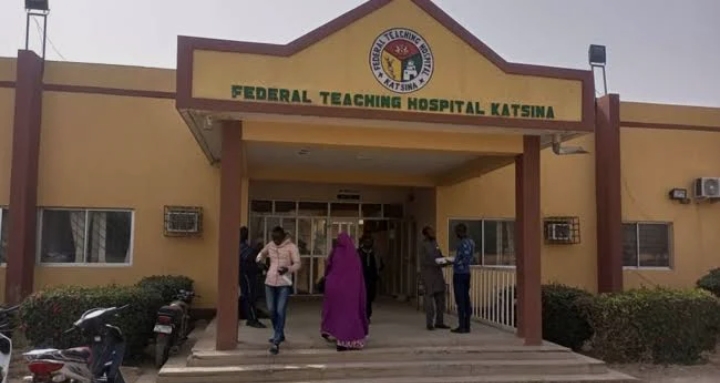
  The ongoing diphtheria outbreak in Katsina State has put the Federal Teaching Hospital Katsina under mounting pressure, as a surge in suspected and confirmed cases overwhelms the facility’s Children’s Ward. The hospital management, in a statement issued on Saturday, said the facility was receiving a large number of patients referred from other health facilities, stretching its available bed capacity beyond its limits. According to the statement, “The ongoing diphtheria outbreak in Katsina State has placed enormous pressure on the Federal Teaching Hospital Katsina (FTH Katsina), particularly the Children’s Ward. “The hospital is receiving an overwhelming number of suspected and confirmed cases, as patients are being referred to the facility in large numbers. The situation has resulted in severe overcrowding, stretching available beds beyond capacity. “Despite these challenges, FTH Katsina is doing everything within its capacity to provide timely and quality care to affected children. The hospital is making necessary arrangements to accommodate and manage the increasing number of patients, even in the absence of sufficient available bed spaces. “Healthcare workers continue to demonstrate commitment and resilience in ensuring that critically ill children receive the care they need while efforts are being made to respond effectively to the increasing patient load.” The management added that necessary arrangements were being made to accommodate and manage the increasing number of patients despite the shortage of available bed spaces. It also commended the resilience and dedication of healthcare workers, who, it said, had continued to provide care to critically ill children amid the growing pressure on the facility. “Healthcare workers continue to demonstrate commitment and resilience in ensuring that critically ill children receive the care they need while efforts are being made to respond effectively to the increasing patient load,” the statement said. The hospital called for stronger coordination among health facilities and other stakeholders involved in the outbreak response, stressing that a concerted effort was needed to effectively manage the increasing patient load and protect affected children. “FTH Katsina remains committed to supporting the response to the outbreak,” the management said, adding that “a coordinated effort among all relevant health facilities and stakeholders is essential to effectively manage the situation and protect the lives of affected children.” The hospital did not disclose the number of diphtheria patients currently admitted or the total number of cases recorded in Katsina State.  

Oyo Strengthens HIV Prevention Efforts, Begins 2026 IBBSS Training

  The Oyo State Government has reaffirmed its commitment to strengthening evidence-based HIV prevention through improved data collection and research as it commenced training for stakeholders ahead of the 2026 Integrated Biological and Behavioural Surveillance Survey (IBBSS). The training, held at the Development Support Centre (DSC), Iyaganku, Ibadan, is part of preparations for the nationwide survey designed to generate updated behavioural and biological data on HIV among key populations. Speaking at the flag-off, the Chairman of the Oyo State Agency for the Control of AIDS (OYSACA), Aare (Dr.) Gbola Adetunji, described the IBBSS as a critical public health initiative that would provide the evidence needed to track emerging HIV trends, identify service gaps and guide effective resource allocation. He said the 2026 survey would examine the socio-demographic characteristics, knowledge, beliefs, risk behaviours, access to HIV prevention and treatment services, HIV status awareness and treatment uptake among key populations, including Female Sex Workers (FSW), Men Who Have Sex with Men (MSM) and People Who Inject Drugs (PWID). Adetunji noted that previous IBBSS rounds had revealed a significant HIV burden among key populations, stressing that updated data was necessary to measure the impact of interventions and guide future HIV programming. He also called for greater community participation, emphasising that key population communities should be treated as partners in the HIV response rather than merely as respondents. The OYSACA chairman charged field and technical teams to conduct a credible, ethical and high-quality exercise capable of translating into improved HIV policies, programmes and health outcomes. He further urged stakeholders and community representatives to support field teams and create an environment where participants could provide accurate information without fear of discrimination or stigma. Adetunji assured the National Agency for the Control of AIDS (NACA), the West Africa Centre for Public Health and Development (WACPHD), development partners and other stakeholders of Oyo State’s continued support and collaboration throughout the exercise. Representing the Director-General of NACA, Dr. Temitope Ilori, Mr. Joseph Terry described the IBBSS as a national government survey whose protocol had been reviewed by the IBBSS Technical Working Group and approved by the Federal Ministry of Health. He stressed the need for all stakeholders to treat the exercise as a national assignment by strictly adhering to the approved protocol and properly documenting all activities. Terry disclosed that the survey was supported by the Global Fund and therefore subject to strict financial and accountability requirements. He urged implementing teams to maintain comprehensive records, noting that proper documentation would be crucial to the release of funds tied to implementation milestones. He also commended the collaboration between OYSACA and WACPHD, urging both organisations to work closely to ensure the survey produces credible data capable of supporting sound health policies and decision-making. The WACPHD representative, Mr. Chukwebuka Ejeckam, said the organisation was providing technical support for the 2026 IBBSS, which is being conducted simultaneously across 12 states in Nigeria. According to him, the 2020 IBBSS recorded HIV prevalence rates of 15.5 per cent among female sex workers and 10.9 per cent among people who inject drugs, highlighting the need for fresh data to assess progress and determine whether HIV interventions are yielding the desired results. Ejeckam disclosed that about 40 field personnel had been recruited and were undergoing training in Oyo State. The team comprises approximately 31 personnel for the behavioural component and nine for the biological and serological component, including laboratory personnel and counsellors. He said the training would be followed by hotspot validation and the commencement of field activities, with the exercise expected to run for about two months, covering September and October. Data analysis, report writing and dissemination would follow thereafter. The Oyo State implementation coordinator, Mr. Aduluju Ayodeji, said the field team would work across the three selected key population groups and appealed for the cooperation of community members and eligible participants. He assured participants that confidentiality would be strictly maintained, adding that information collected during the survey would be handled responsibly and securely. Speaking on behalf of the Key Population Secretariat, Mr. Ajani Kayode commended OYSACA, under the leadership of Adetunji, for its continued support for key population communities in the state. He expressed confidence in the personnel selected for the exercise, describing them as capable hands, and pledged the Secretariat’s support towards the successful implementation of the survey. The Acting Coordinating Director of OYSACA, Mrs. Fausat Okanlawon, described the IBBSS as more than a routine survey, saying its findings would serve as a critical guide for Nigeria’s HIV response among key populations.

Karim Adeyemi Foundation Supports Adeoyo Hospital with Emergency Children’s Ward

Karim Adeyemi Foundation Supports Adeoyo Hospital with Emergency Children’s Ward

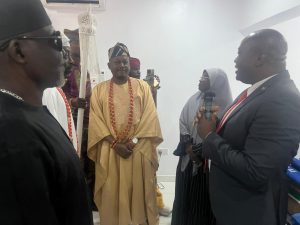
  The Karim Adeyemi Foundation has inaugurated a newly constructed Emergency Children’s Ward at Adeoyo Maternity Teaching Hospital, as stakeholders called for stronger collaboration between government and private organisations in improving healthcare delivery. Speaking during the inauguration ceremony held at Yemetu, Ibadan, on Tuesday, President of the foundation, Mogaji Abiodun Adeyemi, described the project as a major milestone in the foundation’s humanitarian interventions in Oyo State. He said the ward project was inspired by the need to provide life-saving healthcare support for children and vulnerable families. According to him, the initiative was first proposed by Ibrahim Lawal, who drew the attention of the foundation to the urgent need for an emergency children’s ward at the hospital. “Once the idea was conceived, we engaged in months of consultations with the hospital management to ensure we were building exactly what the doctors and nurses needed and not just another structure,” he said. He added that the project remained personal to him because “charity must always begin at home,” noting that although the foundation had carried out several interventions in Ibadan since 2023, the emergency ward represented its first major investment in healthcare infrastructure. Adeyemi also appreciated his son, Karim Adeyemi, for supporting the vision of the foundation, while commending his wife, Alexandra Adunni Adeyemi, for her unwavering support towards the organisation’s interventions in Ibadan. He equally praised the project manager, Bunmi Lawal, alongside builders and members of the foundation for ensuring the successful completion of the facility. In his remarks, the Chief Medical Director of Adeoyo Maternity Teaching Hospital, Dr. Olanrewaju Adeniji, described the building as “a game changer” capable of saving the lives of many children. “This is an investment in humanity. There are children whose lives will be saved because of this structure. We will ensure proper maintenance so that the facility continues to serve as a centre of clinical excellence,” Adeniji stated. He also appealed to other non-governmental organisations, philanthropists and corporate bodies to support public health institutions across the state. Also speaking, Chairman of the Oyo State Hospitals Management Board, Dr. Akin Fagbemi, represented by the Permanent Secretary, Dr. Mrs. Anifat Ibrahim, said the intervention would significantly improve child healthcare services at the hospital. She noted that hundreds of children are admitted monthly at Adeoyo Hospital for illnesses such as malaria, pneumonia and severe malnutrition, stressing that a clean and child-friendly environment would help reduce infections and speed up recovery. “This ward is more than just beds and equipment. It is a bold statement that our children deserve quality healthcare and hope,” she said. She further stated that government alone could not address all healthcare challenges, calling on well-meaning Nigerians and private organisations to partner with the state government in transforming the health sector. “The Karim Adeyemi Foundation has demonstrated purposeful giving. This collaboration shows that when government and private individuals work together, we can achieve more for our people,” she added. Ibrahim assured that the Hospital Management Board would ensure adequate staffing, supervision and maintenance of the facility to sustain its impact. Representing the Olubadan of Ibadanland, Oba Rashidi Adewolu Ladoja, at the event, Chief Dr. Obitade Obimakinde commended the foundation for investing in the health and future of children in Ibadanland. He described the intervention as a noble contribution to humanity and urged other wealthy individuals and organisations to emulate the gesture by supporting projects that positively impact society.

Female Genital Mutilation has no Medical Benefit – NGO

  The Center for Health, Ethics, Law and Development has reiterated that female genital mutilation has no medical benefit and constitutes a serious violation of human rights, urging stronger enforcement of laws banning the practice in Nigeria. In a statement issued on Monday, the organisation condemned recent public remarks seen as endorsing the practice, warning that such narratives could undermine years of progress in the fight against gender-based violence and harmful traditional practices. The Center for Health, Ethics, Law and Development has reiterated that female genital mutilation has no medical benefit and constitutes a serious violation of human rights, urging stronger enforcement of laws banning the practice in Nigeria. In a statement issued on Monday, the organisation condemned recent public remarks seen as endorsing the practice, warning that such narratives could undermine years of progress in the fight against gender-based violence and harmful traditional practices. CHELD described Female genital mutilation as a globally recognised form of violence against women and girls, stressing that it carries severe health risks, including chronic pain, infections, childbirth complications, psychological trauma, and in some cases, death. The organisation emphasised that there is no medical justification for the practice, saying any claims suggesting otherwise are not supported by scientific or medical evidence. “FGM has no medical benefit and remains a violation of fundamental human rights. It exposes women and girls to lifelong physical and psychological harm,” CHELD stated. The group also pointed to Nigeria’s legal framework, noting that the Violence Against Persons (Prohibition) Act 2015 criminalises FGM, with penalties for anyone who performs, assists, or encourages the act. It added that several states across the country have also enacted laws banning the practice.

Cross River Reports COVID-19 Case

  The Government of Cross River State has reported an occurrence of COVID-19 in the state. The state Commissioner for Health, Dr Henry Ayuk, made the announcement at a news conference on Tuesday in Calabar, the state capital. According to him, the first reported case of the outbreak involved a Chinese national who worked with Lafarge and flew into the country on March 17 before falling ill. The commissioner stated that the Chinese’s condition became worse at the medical facility under his office and had to be taken to the University of Calabar Teaching Hospital. He explained that at the UCTH, samples were taken and all protocols followed; it was subsequently confirmed that he had symptoms of COVID-19. “We are, however, happy to report that he is doing well,” the commissioner said. Ayuk said the Ministry of Health had been repositioned by the current administration to handle and manage any situation, including diseases or epidemic outbreaks. According to him, there had been silent infections and clear cases from time to time. “But we are determined that for every ailment, every disease or outbreak, if it is identified here in the state, there should be no alarm. “The state will do well in terms of surveillance or containment of an outbreak. Whatever it is, we will do our best to contain it. So, there is no alarm. “When this case was reported about three or four days ago, we decided to be careful to confirm and ensure that the processes involved in identifying and confirming every case of COVID-19 are duly followed. “The protocols have been followed and confirmed that a 53-year-old Chinese who works in Akamkpa Local Government Area of the state has COVID-19,” he said. On her part, State Epidemiologist, Dr Inyang Ekpenyong, announced that in response to the case, the state emergency response unit had been activated. She noted that contact tracing and line listing of persons the Chinese may have come in contact with were ongoing. While noting that the last confirmed case of COVID-19 in Cross River was in 2022, the epidemiologist said the Chinese may have contracted the virus in Nigeria. “The incubation period for this virus is usually between two and 14 days, but the Chinese flew into Nigeria from China on March 17 and started developing symptoms on April 10. “This is well beyond the 14-day incubation period. Like I said, we are doing the line listing of those he may have come in contact with, as part of our containment efforts. “We have also activated the emergency response centre and deployed rapid response teams to Akamkpa, where the victim works. “There is no way we can stop this disease, but we can stop the disease outbreak. “It will be wrong not to contain or manage it by ensuring that people do not die,” she stated. Similarly, the World Health Organisation Coordinator in Cross River, Dr Yewande Olatunde, stated that the disease was still around. “We must explore all preventive measures to protect ourselves,” she stressed. (NAN)

Resident Doctors Halt Strike, Set Wednesday for Work Resumption

  The National Association of Resident Doctors on Tuesday announced the suspension of its planned strike after reaching an understanding with the Federal Government on key demands, including payment of outstanding allowances and improvements in doctors’ welfare. The decision was taken after an emergency meeting of the association’s National Executive Council, where members reviewed assurances from government representatives and resolved to give dialogue another chance. NARD said the suspension was informed by “progress made” in negotiations, particularly commitments on the prompt payment of salary arrears, hazard allowances, and steps toward resolving issues surrounding the Medical Residency Training Fund. Although the association did not declare a full resolution of the dispute, it noted that the government had shown “renewed willingness” to address the concerns that triggered the strike threat. Resident doctors in Nigeria have repeatedly clashed with the Federal Government over welfare issues, including irregular salary payments, inadequate hazard allowances, and poor hospital infrastructure. The recurring disputes have contributed to brain drain in the health sector, with many Nigerian doctors seeking better opportunities abroad. The University College Hospital President, Dr Uthman Adedeji, disclosed this on Tuesday, noting that the development is in line with the directive from the national body. Adedeji said the strike was suspended after an Extraordinary National Executive Council meeting, during which NARD directed members nationwide to resume by 8:00 a.m. on Wednesday. He explained that the decision followed the federal government’s reversal of its stance on the revised professional allowance and a commitment to address other outstanding issues raised by the association. The crisis stems from the implementation of a revised Professional Allowance Table negotiated between NARD and the Federal Government following a prolonged strike in 2025. The agreement included improved remuneration packages for resident doctors, covering call duty allowances, shift allowances, rural posting incentives, and non-clinical duty payments. Although implementation was initially scheduled to commence in January 2026, delays pushed the rollout to February. However, NARD alleged that the government is now planning to discontinue the process by April, a move the association says undermines trust and violates prior agreements. Details later…

WHO Probes Hydrocarbon Exposure in Ogoniland, Screens 4,000

  The World Health Organisation has begun a comprehensive health study of Ogoniland, Rivers State, to investigate the prevalence of ailments associated with long-term exposure to hydrocarbons. This initiative aligns with the recommendations of the United Nations Environment Programme report, which called for a follow-up health study to complement the environmental remediation of the oil-devastated area. The health study is being conducted by the International Agency for Research on Cancer, an agency under WHO. The Project Coordinator of the Hydrocarbon Pollution Remediation Project, Prof. Nenibarini Zabbey, had in July 2025 stated that the agency commissioned WHO to carry out the study as part of the ongoing implementation of the UNEP report. Speaking during a visit to the traditional rulers of Gokana and Tai local government areas on Tuesday, Lead Scientist of IARC, Ann Olysson, said the study is part of the UNEP recommendations for Ogoni. She stated, “We are about, with your permission, to begin a study that was originally recommended by the UNEP study. We are in collaboration with HYPREP to conduct the tests, and the choice of our agency to conduct the study is in international recognition for this type of research.” Project Coordinator of UNEP and the lead researcher of the 2009–2011 study, Mr Michael Cowing, which led to the report, said one of the key recommendations was this health assessment of the Ogoni population. Cowing further said the study, which is expected to last nearly three years, began in mid-2025 with desk work, mapping, and preliminary research. He noted that the study will cover 4,000 participants across both the most impacted and non-impacted communities to ascertain results. “And now, with your approval, we are going to engage in the fieldwork. Simply put, across Ogoniland, we’re looking to have approximately 4,000 participants representing the most impacted communities. “We know where the epicentres of contamination are. We’ve plotted the communities on those maps, and they will be the impacted communities where we will focus the study. But we are also conducting studies in unimpacted communities for comparison. “We will be looking at people involved in specific activities, whether farming, fishing, sand mining, or artisanal refining, to assess different levels of exposure to hydrocarbons. So it’s going to be a very comprehensive study,” he said. Professor Iyenemi Kakulu, of the Department of Land Management at Rivers State University, said participants will be scientifically selected for the study. Kakulu stated, “We are here on a friendly note to ask for your support, to grant us access to your kingdom, so that we can interact with your people and intentionally select participants for the study. “Basically, we will speak to people in their homes in some scientifically selected communities. We will seek your permission to speak with community chiefs and gain access to conduct our work. “We are also interested in occupational hazards. People exposed by the nature of their work in and around Ogoniland will be subjects of interest. We will talk to them and seek their voluntary consent to participate in the study, which involves collecting some personal data and human samples, such as blood and urine.” Earlier, HYPREP Project Coordinator Prof. Nenibarini Zabbey, represented by the Director of Technical Services, Prof. Damian Paul-Aguiyi, told the traditional councils that the delegation sought support for adequate security, sensitisation, and collaboration. He emphasised that the study is not a contracted job and called on the traditional rulers to provide an enabling environment for the team to carry out their work. Responding, the King of Tai Kingdom, HRM Samuel Nnee, assured the delegation of the support of his people. He noted that before the advent of oil exploration, the Ogonis—and indeed Africans—lived longer. The monarch said, “Whatever support you need, I can assure you that you will have it because we are talking about the health of our people.” Nnee added that initially, the people doubted that HYPREP would carry out the remediation. “But I can tell you the truth—we have seen results. HYPREP went beyond cleaning the soil and implemented livelihood programs that have reawakened the potential of our children. “Today, our children are thriving in every sphere of life. If you see the programs packaged by HYPREP, you will marvel that Ogoni sons and daughters are now licensed to do many things we never imagined years ago.” He continued, “So I want to welcome you. I pray God continues to bless this initiative. I’ve been part of this process and will continue to be, because it is my responsibility to speak for my people.” On his part, the King and Natural Ruler of Gokana Kingdom, HRM Festus Paago Bagia (Gberesaakoo XIII), represented by the Traditional Ruler of Goi community, Mene Stephen Kobani, assured the visiting team of the support of his people, describing the study as a welcome development.

NCDC Raises Alarm as Lassa Fever Kills Two Health Workers, 15 Infected

  The Nigeria Centre for Disease Control on Monday raised an alarm over the increasing spread of Lassa fever among health care workers. The disease control agency noted that so far, two health workers have been killed, while 15 confirmed cases of Lassa fever have been documented among health care workers as Nigeria battles another outbreak of the zoonotic disease. In an advisory released on Monday, the NCDC expressed its sympathy to the affected health workers. “Recent surveillance data indicate a concerning increase in Lassa fever infections among healthcare workers, with 15 confirmed cases and 2 deaths recorded as of Epidemiological Week 7. Healthcare worker infections have been reported across multiple states, including the known high-burden areas such as Ondo, Edo, Bauchi, Taraba, Ebonyi, and Benue, with specific hotspots often identified at the LGA level. “As part of its mandate, NCDC investigates every healthcare worker infection to identify drivers of transmission and prevent further cases. Recent findings reveal gaps in infection prevention and control practices, as well as missed risks of exposure in certain departments. “These gaps have resulted in IPC strategies that are misaligned with actual exposure risks, with fatal consequences.” Lassa fever, an animal-borne or zoonotic, acute viral illness spread by the common African rat, also known as the Mastomys rat species, is endemic in Nigeria and some other West African countries. Since the last outbreak of the disease in 2016, there has been an increase in the number of recurring cases. According to the World Health Organization (WHO), Lassa fever is an acute viral haemorrhagic illness caused by the Lassa virus, a member of the arenavirus family of viruses. Humans usually become infected with the Lassa virus through exposure to food or household items contaminated with urine or faeces of infected Mastomys rats. The disease is endemic in the rodent population in parts of West Africa. Lassa fever is known to be endemic in Benin, Ghana, Guinea, Liberia, Mali, Sierra Leone, Togo, and Nigeria, but probably exists in other West African countries as well. “Person-to-person infections and laboratory transmission can also occur, particularly in healthcare settings in the absence of adequate infection prevention and control measures,” the global health body stated.  

Amuda Hafeez Kingsway Splashes Millions On Akinyele Mega Health Outreach •••Mobilises 58 Medical Experts For Over 1,000 Residents

Amuda Hafeez Kingsway Splashes Millions On Akinyele Mega Health Outreach •••Mobilises 58 Medical Experts For Over 1,000 Residents

  The Kingsway Health and Outreach Foundation has successfully concluded a large-scale community health programme across Akinyele Local Government, marking one of the most impactful medical interventions recently witnessed in the area. The health outreach initiative held on Thursday funded with millions of naira by Dr. Amuda Hafeez Kingsway, a 2027 Oyo State House of Assembly aspirant, recorded a massive turnout and delivered comprehensive healthcare services to residents at no cost. According to the foundation, 58 medical experts were on ground, attending to residents simultaneously across various medical units, ensuring swift, efficient, and quality service delivery throughout the programme. In the general health services unit, 840 residents received medical attention, including full-body check-ups, blood pressure and blood sugar screenings, health counselling, and free medications. Each beneficiary was assessed by trained clinicians, who provided tailored prescriptions and ensured drug quantities matched the appropriate dosage and usage duration for effective treatment. The dental unit also recorded significant results, attending to 92 individuals who underwent comprehensive consultations, scaling, polishing, and essential oral care procedures. Dental professionals provided guidance on oral hygiene while distributing required medications. At the eye care unit, 204 beneficiaries were screened and supported with free eyeglasses, eye drops, and other necessary medications. Specialists diagnosed various sight-related conditions and provided corrective solutions on the spot, ensuring that residents with impaired vision left with clearer, improved sight. The medical outreach also featured an atmosphere of warmth and hospitality where leaders, residents, and other beneficiaries enjoyed refreshments, while some went home with food packages, while entertainment, and a sense of communal togetherness enhanced the overall experience of the programme.